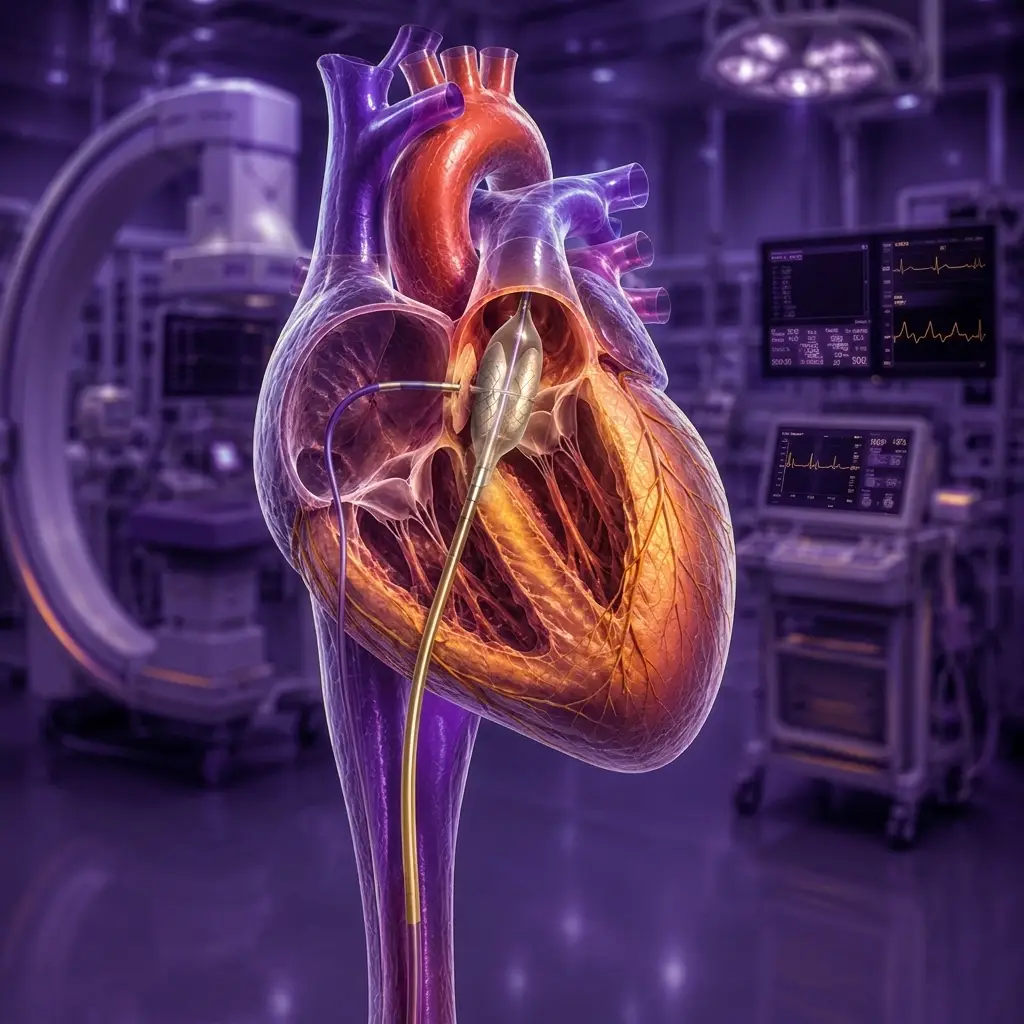
Your heart has four valves that open and close with every heartbeat, keeping blood flowing in the right direction. When a valve becomes stiff and narrowed, a condition called valve stenosis, the heart has to work much harder to push blood through. Over time, this causes breathlessness, fatigue and, if untreated, heart failure.
Balloon valvuloplasty is a proven, minimally invasive procedure that widens a narrowed heart valve using a small balloon, without open-heart surgery. At Bharath Specialty Hospital, Chennai, our experienced structural heart specialists perform balloon valvuloplasty in an advanced cath lab. We help patients of all ages breathe easier and return to active lives quickly.
What Is Valve Stenosis?
Valve stenosis occurs when the leaflets (flaps) of a heart valve become thickened, stiff or fused together. This prevents the valve from opening fully. The heart must pump harder to move blood through the small opening, which gradually strains and weakens the heart muscle.
Common Causes
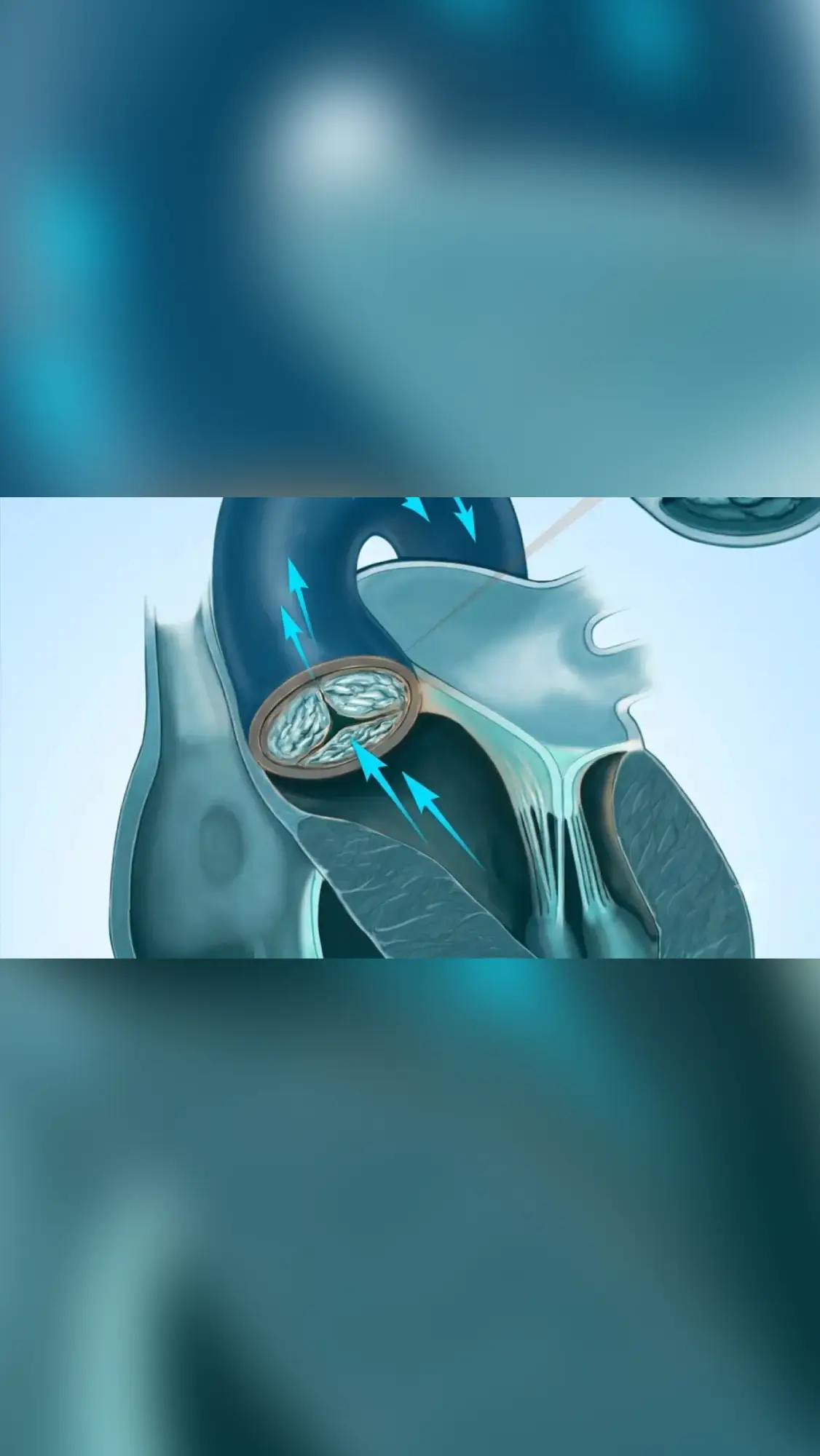
- Rheumatic heart disease: A complication of untreated streptococcal throat infections, and still a major cause of valve disease in India
- Congenital heart defects: Valves that are malformed from birth
- Age-related calcium build-up: Calcium deposits stiffen the valve in older adults
- Previous infections or inflammation of the heart
Rheumatic Heart Disease and Valve Narrowing
In India, rheumatic heart disease remains one of the most common causes of narrowed heart valves, especially the mitral valve. It often affects young adults and women of childbearing age. Early diagnosis and timely heart valve treatment without surgery can prevent serious complications such as heart failure, atrial fibrillation and stroke.
Symptoms of a Narrowed Heart Valve
- Breathlessness, especially on exertion or when lying flat
- Chest pain or tightness
- Fatigue and weakness
- Dizziness or fainting
- Palpitations or an irregular heartbeat
- Swelling of the feet, ankles or abdomen
- Reduced exercise capacity
- In children: poor feeding, slow growth or a bluish skin tint
Symptoms often develop slowly, and many people adjust their activities without realising it. Regular check-ups are important if you have a known heart murmur or a history of rheumatic fever.
What Is Balloon Valvuloplasty?
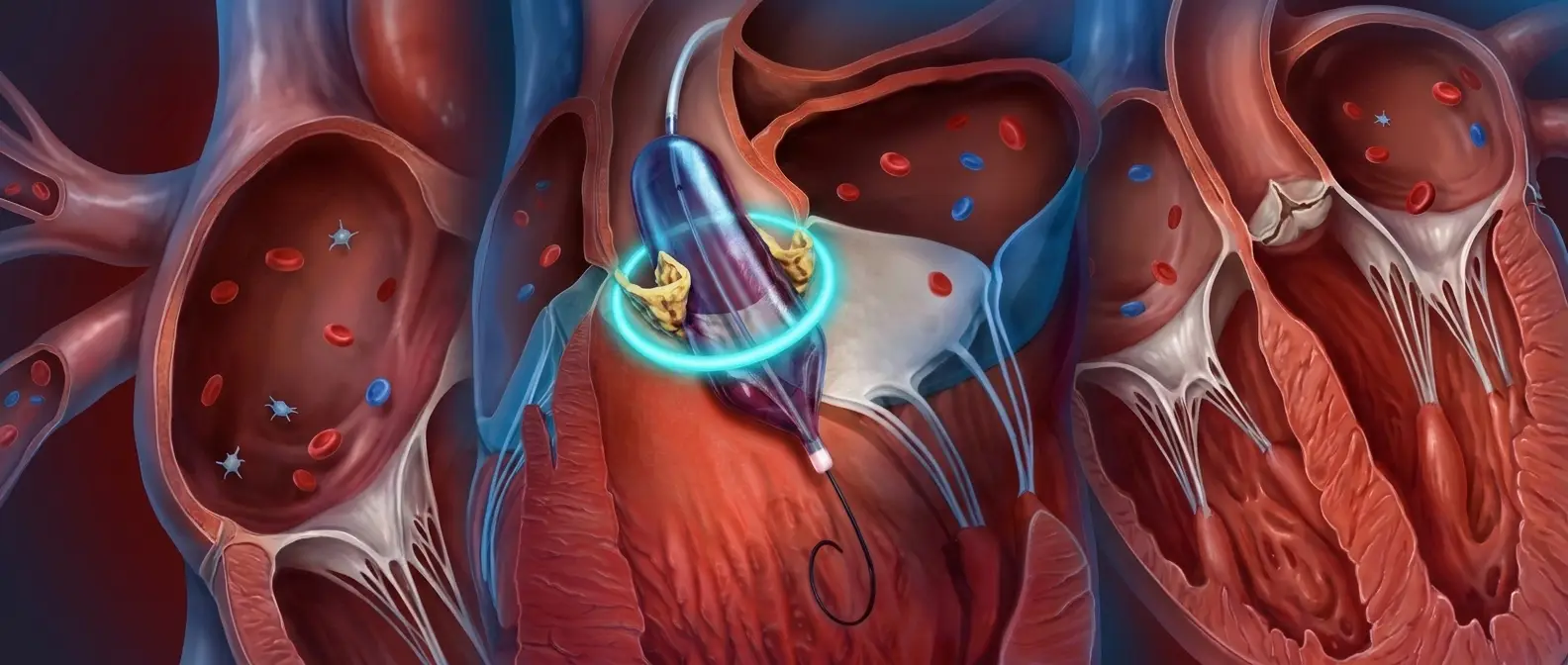
Balloon valvuloplasty, also called balloon valvotomy, is a catheter-based procedure. A thin tube with a deflated balloon at its tip is guided through a blood vessel to the narrowed valve. The balloon is then inflated for a few seconds, gently separating the fused valve leaflets and widening the opening. Once blood flow improves, the balloon is deflated and removed.
As one of the key structural heart procedures, balloon valvuloplasty avoids a chest incision, a heart-lung machine and a long hospital stay.
Heart Valves Treated with Balloon Valvuloplasty
- Pulmonary Balloon Valvuloplasty The treatment of choice for pulmonary valve stenosis, a common congenital condition in children and young adults. Results are excellent and long-lasting, often avoiding surgery altogether.
- Mitral Balloon Valvuloplasty (PTMC) Used for mitral stenosis, most commonly caused by rheumatic heart disease. In suitable patients, PTMC provides excellent symptom relief and can delay or avoid valve replacement surgery for many years.
- Aortic Balloon Valvuloplasty (BAV) Used for congenital aortic stenosis in infants and children. In adults, it may serve as a temporary measure or a “bridge” to valve replacement (surgery or TAVR) in patients who are very ill or at high surgical risk.
Who Needs Balloon Valvuloplasty?
Your cardiologist may recommend balloon valvuloplasty if you have:
- Moderate to severe valve stenosis with symptoms
- Severe stenosis without symptoms, in selected cases
- Pulmonary valve stenosis in children or adults
- Rheumatic mitral stenosis with suitable valve anatomy
- Pregnant women with severe mitral stenosis causing symptoms
- High surgical risk, making open-heart surgery unsafe
- A need for temporary relief before definitive valve replacement
Who May Not Be Suitable?
Balloon valvuloplasty may not be advised if the valve is heavily calcified, significantly leaking (regurgitation), or if there is a blood clot in the heart. Your cardiologist will assess this carefully.
How Is Balloon Valvuloplasty Diagnosed and Planned?
- Echocardiography (2D Echo): Measures valve narrowing, leakage and heart function
- Transoesophageal echo (TEE): Gives detailed valve images and rules out clots
- ECG and chest X-ray
- Cardiac catheterisation: Measures pressures across the valve when needed
How Is Balloon Valvuloplasty Performed?
Balloon Valvuloplasty
- 1
Anaesthesia: Local anaesthesia with mild sedation for adults. General anaesthesia is usually used for children.
- 2
Catheter access: A catheter is inserted through a blood vessel in the groin.
- 3
Guidance: Using X-ray and echocardiography guidance, the catheter is carefully positioned across the narrowed valve.
- 4
Balloon inflation: The balloon is inflated for a few seconds to widen the valve opening. This may be repeated for the best result.
- 5
Measurement: Pressures and echo images confirm improved valve opening and blood flow.
- 6
Completion:: The catheter is removed, and pressure is applied to the access site.
The procedure typically takes 1 to 2 hours.
Benefits of Balloon Valvuloplasty
- No open-heart surgery or chest incision
- Immediate improvement in blood flow
- Rapid relief from breathlessness and fatigue
- Short hospital stay, usually 1–2 days
- Quick return to normal activities
- Safe for children, and for pregnant women when needed
- Can delay or avoid valve replacement surgery
- Can be repeated in selected cases if the valve narrows again
Is Balloon Valvuloplasty Safe?
Balloon valvuloplasty is a safe and well-established procedure in experienced hands. Minor bruising at the access site is common. Rare complications include valve leakage (regurgitation), bleeding, irregular heart rhythms, blood clots, stroke or injury to the heart. Our team carefully selects patients and uses detailed imaging to minimise risk.
Recovery and Aftercare
- No open-heart surgery or chest incision
- Most patients are discharged within 1–2 days
- Light activities can usually be resumed within a few days
- Avoid heavy lifting for about a week
- Take prescribed medicines regularly
- Patients with rheumatic heart disease may need long-term penicillin prophylaxis to prevent recurrence
- Attend regular follow-up visits with echocardiography to monitor valve function
- Maintain good dental hygiene to reduce the risk of heart valve infection
Why Choose Bharath Specialty Hospital for Balloon Valvuloplasty in Chennai?
Experienced structural heart and interventional cardiologists
An advanced cath lab with high-resolution imaging and echo guidance
Expertise in adult and paediatric valve procedures
A heart team approach with cardiologists and cardiac surgeons planning the safest treatment
Comprehensive valve care, from balloon valvuloplasty to TAVR
Transparent valvuloplasty cost in Chennai, with insurance and cashless support
Frequently Asked Questions
No. It is done under local anaesthesia with sedation for adults, and under general anaesthesia for children.
For pulmonary stenosis, results often last a lifetime. For mitral stenosis, relief can last many years. Aortic valvuloplasty in adults usually gives temporary relief.
Yes. In selected patients, the procedure can be repeated if the valve narrows again.
Most insurance plans and government schemes cover it. Our insurance desk will help with approvals.